

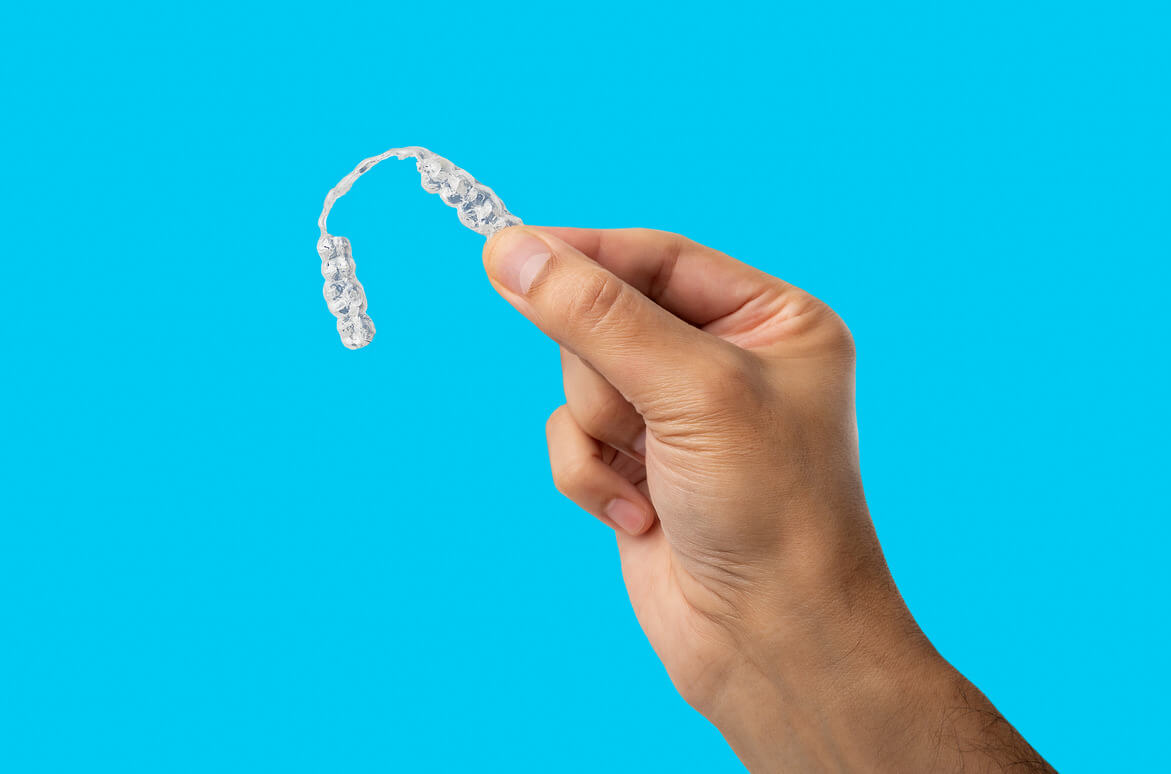
After months or even years spent straightening your teeth, your retainer plays an important role in keeping your new smile in position.
So discovering a broken retainer can understandably be worrying. Perhaps your clear retainer has cracked, the wire on a fixed retainer has come loose or your retainer suddenly doesn’t seem to fit as comfortably as it used to.
The most important thing is not to ignore it. Teeth can gradually move when they are no longer being properly retained, so getting professional advice promptly can help protect the results of your orthodontic treatment.
Here’s what to do.
Why Is Wearing a Retainer So Important?
Orthodontic treatment moves your teeth into new positions, but they don’t automatically remain there permanently.
After treatment, retainers help hold the teeth in their corrected positions and reduce the risk of them gradually moving back – known as orthodontic relapse.
This is why your dentist or orthodontist will normally advise you to continue wearing a retainer after treatment such as fixed braces or Invisalign.
If a retainer breaks, dealing with the problem quickly can help minimise the opportunity for unwanted tooth movement.
What Should I Do If My Removable Retainer Breaks?
Removable retainers include clear plastic retainers and traditional wire-and-acrylic retainers.
If yours cracks or breaks:
Don’t force it onto your teeth.
If the retainer has changed shape, feels unusually tight or no longer fits properly, forcing it into position could cause discomfort or unwanted pressure.
Check for sharp or damaged edges.
A cracked plastic retainer or damaged wire could irritate your gums, tongue or cheeks.
Contact your dentist or orthodontist.
Explain what has happened and arrange advice about whether the retainer can still be used temporarily or needs replacing.
Keep the damaged retainer.
Don’t throw it away. Your dental team may want to inspect it and it may help them understand what has happened.
Even what looks like a small crack can worsen, so it’s sensible to get it checked rather than waiting for the retainer to break completely.
What If My Fixed Retainer Has Broken?
A fixed or bonded retainer usually consists of a thin wire attached to the back of the front teeth.
Because it remains in place permanently, you may first notice a problem when:
- Part of the wire feels loose
- The bonding comes away from one tooth
- The wire feels sharp
- Floss catches differently
- A tooth appears to be moving
- The wire itself snaps
If a bonded retainer becomes loose or breaks, contact your dentist or orthodontist promptly.
Don’t attempt to pull the wire off or repair it yourself. Even if most of the retainer still appears attached, a tooth that is no longer properly retained may begin to move.
If you were also provided with a removable retainer, tell your dental team when you call. They can advise whether and how it should be used until the fixed retainer is assessed.
Can I Repair a Broken Retainer Myself?
No. Avoid trying to glue, reshape or otherwise repair a retainer at home.
Household glues aren’t intended for use in the mouth, while heating or bending a plastic retainer can alter its shape and affect the pressure it places on your teeth.
A replacement retainer needs to fit your current tooth positions accurately.
Professional assessment is therefore the safest option.
What If My Retainer Still Fits Despite Being Cracked?
A small crack can sometimes appear before a removable retainer completely fails.
However, whether it is safe to continue wearing it depends on the position and severity of the damage.
Rather than guessing, contact your dentist or orthodontist and explain where the retainer has cracked. They can advise you whether to continue wearing it while a replacement is arranged.
Never continue using a retainer that is sharp, significantly distorted or causing pain.
What If I’ve Lost My Retainer?
A lost retainer should be treated in much the same way as a broken one: arrange a replacement promptly.
Don’t wait until you notice your teeth moving.
The longer you go without retention, the greater the possibility that your teeth may shift enough for your original retainer or a straightforward replacement to stop fitting correctly.
If your teeth have already moved, your dentist will need to assess the situation before advising on the best next step.
Why Has My Retainer Broken?
Retainers don’t last forever, and occasional replacement is normal.
Common causes of damage include:
- Normal wear over time
- Grinding or clenching your teeth
- Biting the retainer into place
- Eating while wearing a removable retainer
- Cleaning it with very hot water
- Leaving it unprotected in a bag or pocket
- Pets chewing it
- Accidental damage
- Changes to dental work or tooth position
Clear plastic retainers can gradually become worn or lose their original fit, particularly when worn regularly.
Keeping a removable retainer in its protective case whenever it isn’t being worn is one of the simplest ways to prevent accidental damage.
How Can I Look After My Retainer?
Good everyday care can help extend its lifespan.
For a removable retainer:
- Follow the cleaning instructions provided by your dentist
- Avoid very hot water, which can distort plastic
- Store it in its case when you’re not wearing it
- Don’t eat while wearing it unless specifically instructed otherwise
- Keep it away from pets
- Bring it to dental appointments if requested
Fixed retainers require particularly good cleaning around the wire and bonding points to keep the surrounding teeth and gums healthy.
Regular dental examinations also provide an opportunity for your dentist to check that your retainer remains in good condition.
Is a Broken Retainer a Dental Emergency?
A broken retainer usually isn’t an emergency in the same way as severe dental pain, facial swelling or a knocked-out tooth.
However, it shouldn’t be left until your next routine appointment.
Contact your dental practice promptly so they can advise how soon you should be seen.
If the broken appliance is causing significant pain, damaging your mouth or you’re unsure whether your problem requires urgent care, read our guide to what is classed as a dental emergency or contact the practice for advice.
Need Help With a Broken Retainer?
A broken retainer doesn’t necessarily mean your teeth will immediately move, but acting quickly gives you the best opportunity to maintain the results of your orthodontic treatment.
Whether you’ve cracked a clear retainer, lost your removable retainer or noticed a problem with a bonded wire, avoid DIY repairs and arrange professional advice.
At Staina House Dental Practice in Garstang, our dental team can assess your teeth and retainer and advise on the most appropriate next step.
If your retainer has broken, become loose or no longer fits correctly, contact Staina House Dental Practice rather than waiting until your next routine appointment.
