

Oral cancer is the sixth most common cancer in the UK, with approximately 4,900 new cases reported annually.
As we get older, it’s normal to become more aware of changes in our health – some are expected, some are harmless, and others are easy to ignore because they don’t cause us any pain or immediate issues.
Oral cancer sits in the category where early changes are often subtle, which is one reason it can be picked up later than many other conditions. It can affect a wide range of areas in and around the mouth, and recognising the early signs is key.
We’ve put together some of the symptoms our dentists look out for when assessing your mouth for oral cancer.
What oral cancer is and where it can develop
Oral cancer refers to cancer that develops in the tissues of the mouth and surrounding areas. This includes the lips, tongue, gums, inner cheeks, roof and floor of the mouth, and sometimes the throat and sinuses.
Because these areas are all connected, symptoms can vary depending on where the changes begin. Some people notice visible differences, while others may experience discomfort or changes in sensation.
While oral cancer is more commonly diagnosed in people aged 40 to 60, it’s not limited to any one age group – which is why routine checks are important for everyone.
Why oral cancer can be difficult to spot early
One of the main challenges with oral cancer is that it often doesn’t cause pain in the early stages. Unlike a toothache or infection, there may be no obvious reason to seek help straight away.
It’s also common for early symptoms to be mistaken for everyday issues like ulcers or minor irritation. Our dentists can help distinguish between something harmless and something that needs closer attention.
Being familiar with what’s normal for your mouth – and noticing when something changes – is key.
A non-healing ulcer
Our dentists often look out for ulcers or sores that haven’t healed within three weeks.
Most ulcers caused by trauma, stress, or irritation tend to heal within 7-14 days. If they don’t, it’s always worth having them checked.
A persistent ulcer may:
- Be painless or mildly uncomfortable
- Appear on the tongue, lip, or inner cheek
- Stay the same or slowly worsen over time
Red or white patches in the mouth
Changes in colour inside the mouth can also be an early indicator.
These may appear as:
- Red patches (sometimes called erythroplakia)
- White patches (sometimes called leukoplakia)
These can appear on the tongue, cheeks, gums, or roof of the mouth. In many cases, they’re harmless, but if they persist, our dentists can assess them properly. Because they’re often painless, they can easily go unnoticed without regular dental visits.
Lumps or unusual swelling
Any new lump or thickened area in the mouth, jaw, or neck should be examined. These changes may develop gradually, feel firm or fixed and be painless in the early stages. Common areas include the tongue, cheeks, lips, and lymph nodes in the neck.
Pain, numbness or persistent soreness
Oral cancer can also present as ongoing discomfort rather than visible changes.
Our dentists can help investigate symptoms such as:
- A sore throat that does not improve
- Persistent tongue or mouth pain
- Numbness in parts of the lips or mouth
- Unexplained tenderness
The key thing to look out for is how long symptoms last. If something isn’t improving, it’s best to get it checked.
Difficulty eating, speaking or swallowing
Changes in function can sometimes be an early sign of a problem developing in the mouth or throat.
- Difficulty chewing certain foods
- Problems swallowing
- Changes in speech clarity
- A feeling that something is stuck in the throat
- Jaw stiffness or reduced movement
While these symptoms often have less serious causes, our dentists can help rule out anything more concerning.
Changes in teeth or denture fit
Sometimes oral cancer can cause changes that affect the teeth or surrounding structures:
- Loose teeth without an obvious dental cause
- Dentures that no longer fit properly
- Unexplained bleeding in the mouth or gums
While these signs are more commonly associated with gum disease or infection, it’s important to visit our Garstang practice for routine check-ups so that we can determine the cause of your symptoms.
When to seek professional advice
Many of the symptoms listed above can also be caused by less serious conditions. As a general guide, our dentists recommend getting any changes checked if they last longer than two to three weeks.
This includes non-healing ulcers, persistent lumps or patches, ongoing pain or numbness and changes in oral function. In many cases, there’s a simple explanation, but getting checked early provides reassurance and allows for prompt treatment if needed.
How our dentists check for oral cancer
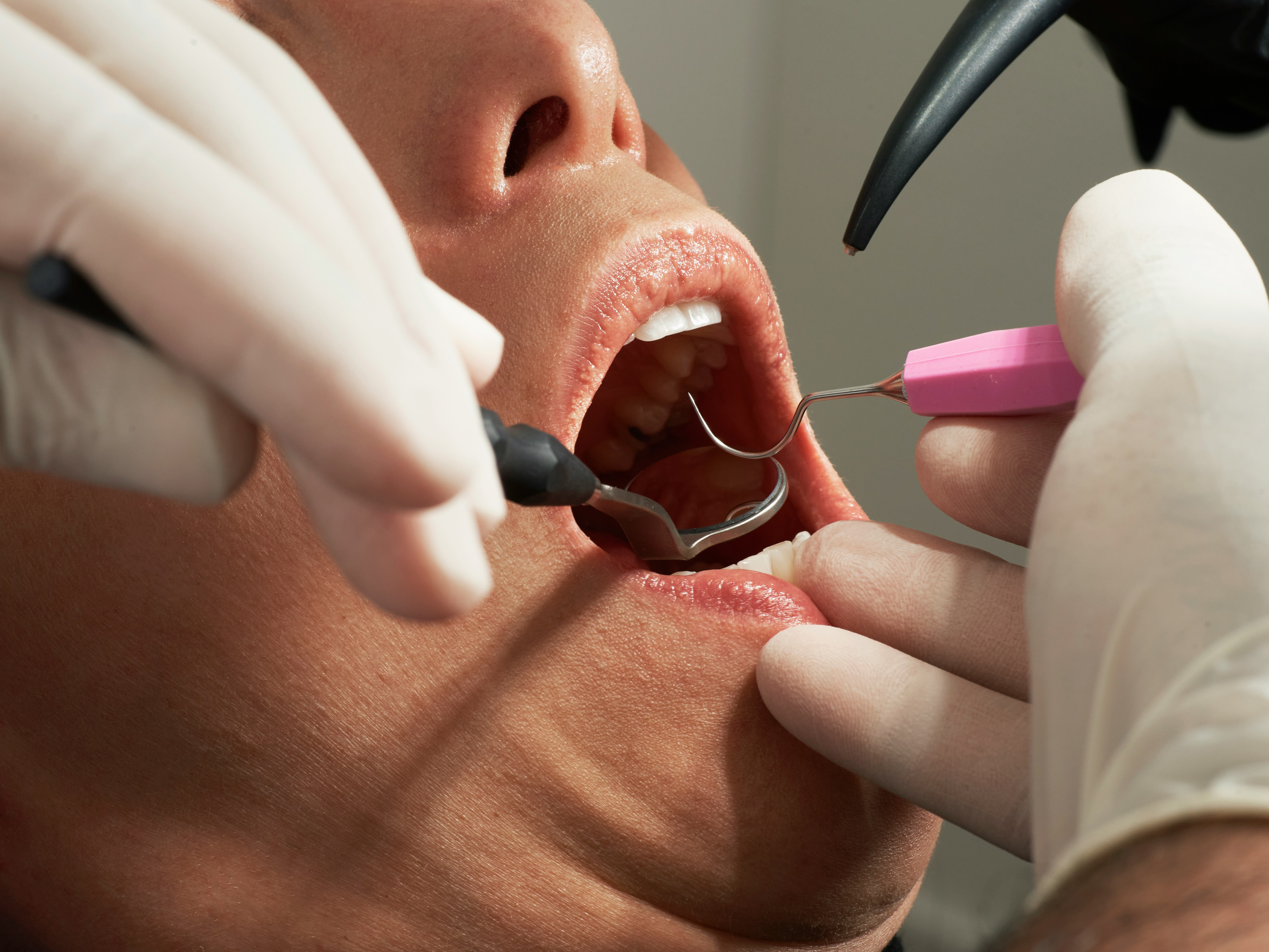
During a routine dental examination, screening for oral cancer is a standard part of the appointment:
Visual examination
Your dentist checks the lips, tongue, cheeks, gums, and palate for any visible abnormalities.
Physical examination
The neck and jaw may be gently examined for lumps or swelling.
Further investigation if needed
If something needs a closer look, we may monitor it, refer you to a specialist, or arrange a biopsy. This is a simple procedure used to rule out or confirm any concerns as early as possible.
The importance of routine check-ups
Many early signs of oral cancer are picked up during routine appointments, often before you’ve noticed anything yourself. This is because dentists are trained to recognise subtle changes in the soft tissues of the mouth.
Regular check-ups therefore support:
- Early identification of abnormalities
- Ongoing monitoring of changes over time
- Reassurance when no issues are found
Book an oral cancer check today
Oral cancer can develop slowly and often begins with small, easy-to-miss changes. That’s why early awareness and regular checks are so important.
Most symptoms turn out to be harmless – but if something doesn’t feel quite right, it’s always worth getting it looked at.
If you’d like peace of mind or have noticed any changes, our friendly team in Garstang is here to help. We’ll carry out a thorough check and talk you through everything clearly, so you feel informed and reassured.
Get in touch to book your appointment.
