

Why healthy gums matter more than you might think
Bleeding gums are something many people experience at some point, often while brushing or flossing. It may only happen occasionally and it’s easy to assume it’s nothing to worry about. But in many cases, bleeding is one of the earliest signs that your gums may need a little extra care.
Healthy gums should feel firm and shouldn’t bleed during everyday brushing. If bleeding happens regularly, it can be a sign of irritation or inflammation that deserves a closer look.
The good news is that most gum problems are very manageable when they’re identified early.
So, have you ever noticed your gums bleeding when you brush or floss and wondered if it’s normal? Let’s take a closer look at why gums bleed and when it might be time to visit our Garstang practice for advice.
Why do gums start bleeding?
Gums can bleed for several reasons, but one of the most common causes is plaque buildup around the gumline. Plaque is a soft film of bacteria that forms on your teeth throughout the day. If it isn’t removed thoroughly with brushing and flossing, it can begin to irritate the gums and cause inflammation. This early stage of gum irritation is known as gingivitis.
Some of the most common signs of gingivitis include:
- Bleeding when brushing or flossing
- Red or swollen gums
- Tenderness around the gumline
- Persistent bad breath
At this stage, gum health can usually be restored with improved oral hygiene and a professional cleaning. However, if gingivitis is left untreated, it can develop into a more advanced form of gum disease that affects the tissues supporting your teeth.
Everyday habits that can contribute to bleeding gums
Several lifestyle factors can influence gum health. Over time, these habits may increase the likelihood of irritation or inflammation.
– Inconsistent brushing or flossing
Busy routines sometimes mean oral hygiene isn’t as consistent as it should be. When plaque is allowed to build up, gums can become inflamed and more prone to bleeding.
Brushing twice a day with fluoride toothpaste and flossing daily helps keep plaque under control.
– Brushing too aggressively
While thorough brushing is important, brushing too hard or using a firm-bristled toothbrush can irritate the gums.
A soft-bristled brush and gentle circular motions are usually far more effective and comfortable.
– Smoking
Smoking reduces blood flow to the gums and weakens the body’s ability to fight infection. As a result, gum problems can develop more easily and may take longer to heal.
– Certain health conditions and medications
Conditions such as diabetes, along with some medications that affect blood clotting, can make gums more sensitive and prone to bleeding. If you’re unsure whether a medication could affect your oral health, our Garstang dentists can advise you.
Simple ways to support your gums at home
A healthy gum care routine includes:
- Brushing twice a day with a soft toothbrush
- Cleaning between teeth daily with floss or interdental brushes
- Using a fluoride toothpaste
- Drinking plenty of water throughout the day
- Maintaining a balanced diet rich in vitamins and minerals
These steps help reduce plaque and support the natural healing ability of your gums.
However, even the best home routine can’t remove hardened plaque once it turns into tartar. Professional hygiene appointments are one of the best measures you can take towards safeguarding your smile.
When should you see your dentist about bleeding gums?
Occasional minor irritation can happen, but ongoing bleeding should always be assessed by our experienced dentists.
You should consider booking an appointment if you notice:
- Bleeding when brushing or flossing regularly
- Swollen or tender gums
- Receding gums
- Persistent bad breath
- Teeth that feel slightly loose
Early evaluation allows our dentists to identify the cause and recommend the most effective treatment before the condition progresses.
How hygiene appointments help protect your gums
Even with excellent brushing, plaque can accumulate in areas that are difficult to reach at home. Over time, this plaque hardens into tartar, which cannot be removed with a toothbrush alone.
Our dental hygienists use specialised instruments to remove this buildup safely and gently.
Regular hygiene visits help to:
- Prevent gum inflammation
- Remove plaque and tartar buildup
- Reduce bleeding and sensitivity
- Support long-term tooth stability
- Maintain fresh breath and a clean feeling in the mouth
For many of our patients, these visits also provide reassurance that their oral health is being carefully monitored.
What happens during a hygiene appointment?
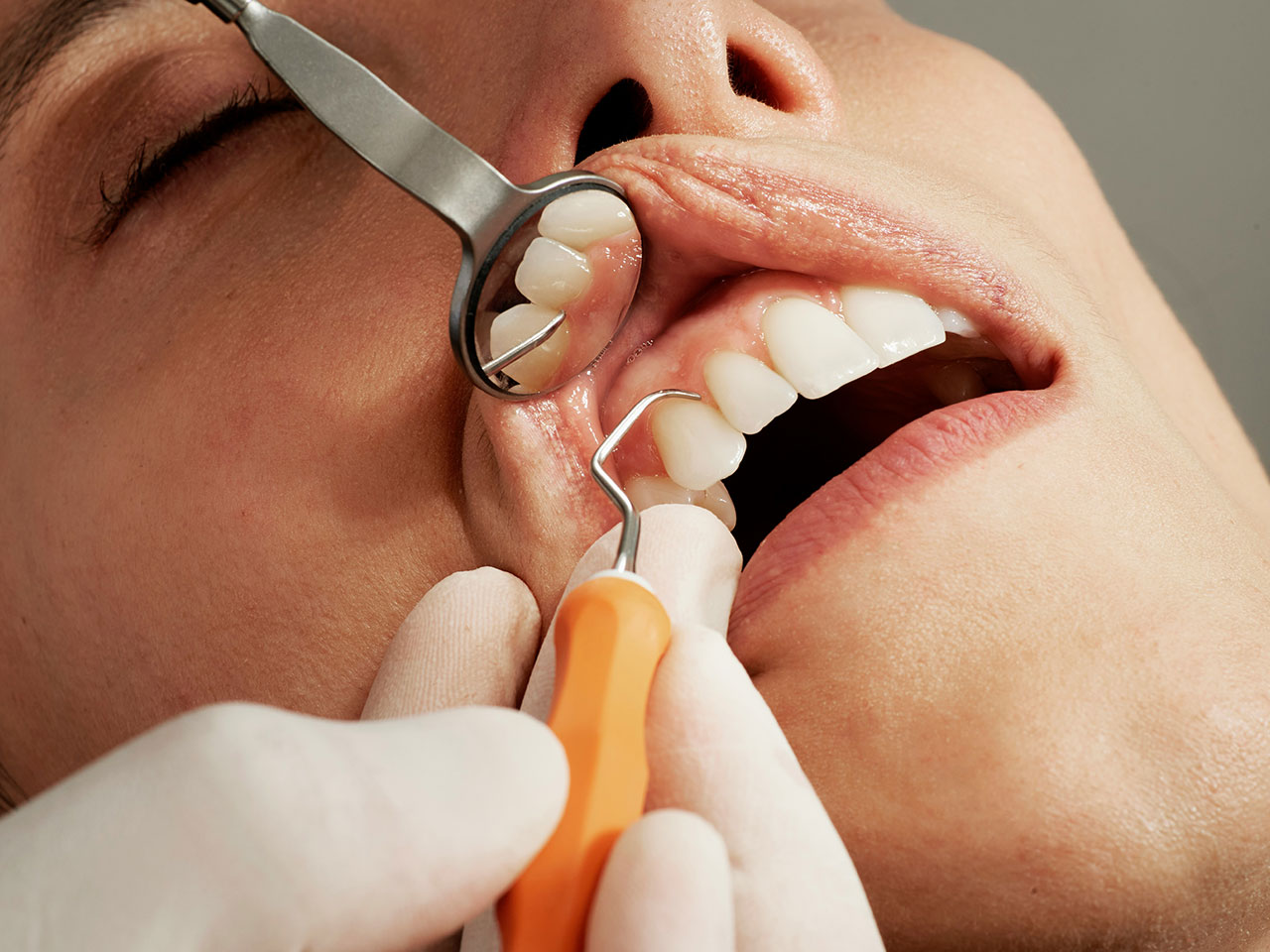
If you haven’t visited a hygienist in a while, you might be surprised at how straightforward and comfortable the process is. During a hygiene appointment at our Garstang practice, we will:
- Assess your gum health. Your gums will be examined for signs of inflammation, recession or early gum disease.
- Remove plaque and tartar. Specialised instruments are used to gently clean above and below the gumline, removing buildup that brushing alone cannot reach.
- Polish your teeth. A polishing treatment smooths the tooth surfaces, helping to reduce future plaque accumulation.
- Offer personalised advice. You’ll receive tailored guidance on brushing techniques, cleaning between your teeth and maintaining gum health at home.
- Maintaining gum health for the long term
Routine hygiene appointments keep your teeth strong and comfortable as the years go by. As natural changes occur in the mouth over time, regular visits become even more valuable. Routine check-ups allow small worries to be addressed early, helping to avoid more complex and expensive treatments later.
Combined with good oral care at home, these visits provide the best protection against gum disease and help preserve your natural smile.
If you’ve noticed bleeding gums or it’s been a while since your last hygiene appointment, book an appointment. Call us on 01995 605707 now.
