

If you are considering changing the shape, colour or appearance of your smile without committing to more extensive dental treatment, you may have come across composite bonding.
But what is composite bonding, what happens during treatment and how long can you expect the results to last?
Composite bonding is a cosmetic dental treatment in which a tooth-coloured resin is applied directly to the natural tooth, carefully shaped and then hardened to improve its appearance.
At Staina House Dental Practice in Garstang, composite bonding can be used to improve concerns including chips, gaps, discolouration and uneven tooth shapes.
Here is what to expect if you are considering treatment.
What Is Composite Bonding?
Composite resin is a tooth-coloured material that dentists can shape directly onto the tooth.
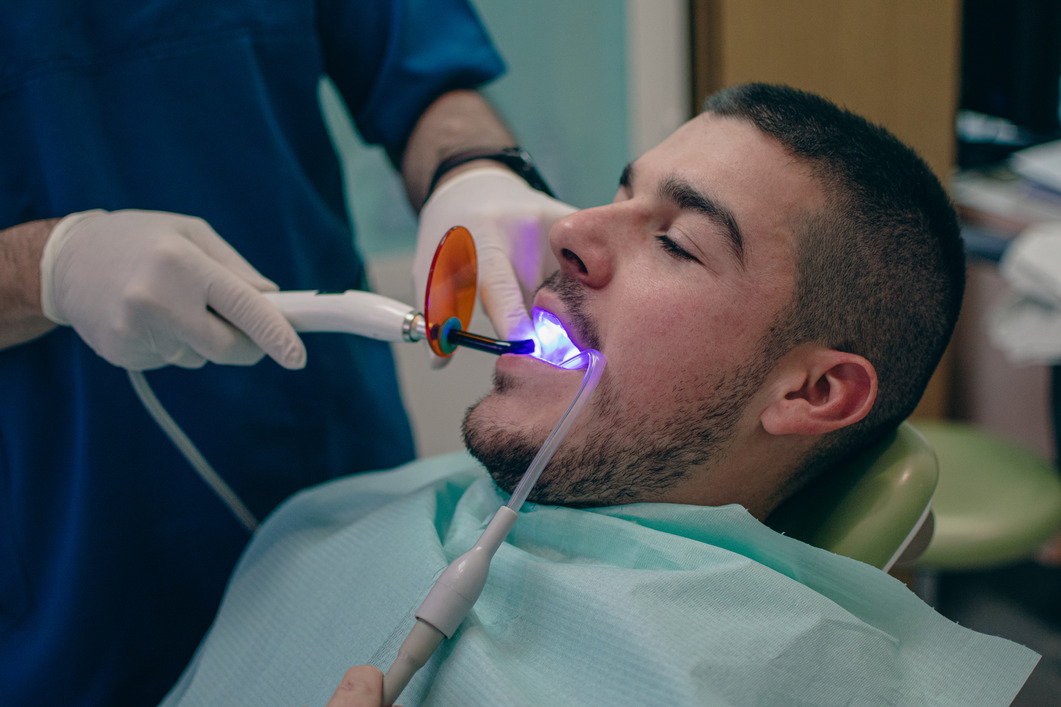
The colour is selected to blend with your natural teeth before the material is applied, sculpted and hardened using a special curing light.
Composite bonding teeth may help improve:
- Small chips or cracks
- Gaps between teeth
- Uneven edges
- Teeth that appear shorter than neighbouring teeth
- Areas of discolouration
- Minor shape irregularities
- Black triangles between teeth caused by gum recession
Unlike porcelain restorations, the material is applied directly in the dental chair rather than being manufactured by a laboratory.
In many cases, little or no removal of healthy tooth structure is required, which is why bonding is often described as a minimally invasive cosmetic treatment.
What Happens During Composite Bonding?
The exact process depends on how many teeth are being treated and the changes you want to make.
Typically, your dentist will:
- Assess your teeth, gums and bite.
- Discuss the result you would like to achieve.
- Select a composite shade to match your smile.
- Prepare the surface of the tooth.
- Apply the bonding material.
- Carefully shape and contour the resin.
- Harden it with a curing light.
- Polish the finished tooth.
Staina House advises that treatment can often be completed in one visit, making composite bonding particularly attractive to patients who want to make relatively small cosmetic changes without several appointments.
Does Composite Bonding Hurt?
For many patients, composite bonding is a comfortable procedure.
Because little or no drilling of the natural tooth is often required, local anaesthetic may not be necessary in straightforward cosmetic cases.
However, every patient and every tooth is different.
If bonding is being combined with another dental procedure or the tooth has existing decay, damage or sensitivity, your treatment requirements may be different.
Your dentist will assess your mouth beforehand and explain exactly what is involved.
How Much Does Composite Bonding Cost?
If you are researching how much does composite bonding cost, you will find considerable variation.
The final price depends on factors including:
- The number of teeth being treated
- How much composite is required
- The complexity of the reshaping
- Whether other dental treatment is needed first
- The amount of clinical time involved
Staina House Dental Practice does not currently publish a fixed composite bonding fee on its dental fees page. Instead, patients considering more complex treatment are assessed first so the dentist can provide an accurate treatment plan and explain the available options.
This is preferable to choosing treatment based purely on a price per tooth because the amount of work required can vary significantly from one smile to another.
How Long Does Composite Bonding Last?
Another common question is how long does composite bonding last?
There is no fixed lifespan.
With good care, bonding can remain attractive for several years, but longevity depends on:
- Your bite
- Whether you clench or grind your teeth
- The location of the bonding
- Your diet
- Oral hygiene
- Habits such as nail biting or chewing pens
Staina House advises that composite bonding is long-lasting but that durability varies according to daily wear and individual habits. Your dentist can monitor the condition of the bonding during routine appointments.
Unlike natural enamel, composite can gradually stain, lose some shine or chip.
One advantage is that small areas can often be polished or repaired rather than requiring the entire restoration to be replaced.
Composite Bonding Aftercare
Good composite bonding aftercare is relatively simple.
To help maintain the appearance and condition of the resin:
- Brush twice daily using fluoride toothpaste
- Clean between your teeth every day
- Attend regular dental check-ups
- Maintain regular hygiene appointments
- Avoid biting nails, pens or very hard objects
- Use your teeth for eating rather than opening packaging
- Be aware that tea, coffee, red wine and tobacco can stain composite over time
Staina House also recommends avoiding habits that can chip the material and maintaining good oral hygiene to help bonded teeth stay clean and healthy.
Routine dental examinations allow your dentist to check both the composite and the natural tooth underneath.
Can You Whiten Teeth After Composite Bonding?
Whitening products work on natural tooth tissue but do not lighten composite resin in the same way.
This means whitening natural teeth significantly after bonding could leave the composite looking darker by comparison.
If you are considering both treatments, your dentist may recommend completing professional teeth whitening first and then matching the composite to your final tooth shade.
Planning treatments in the correct order can help create a more consistent overall result.
Composite Bonding vs Veneers
When considering composite bonding vs veneers, there are several differences.
Composite bonding is applied directly to the tooth and can often be completed in one appointment. It is generally minimally invasive and relatively easy to repair if damaged.
Porcelain veneers are thin laboratory-made restorations bonded to the front of the teeth. They can provide excellent colour stability and durability but may require some enamel removal depending on the case.
Neither option is automatically better.
Bonding may suit patients wanting conservative changes to shape, chips or gaps, while veneers may be considered where more extensive changes are required.
The right treatment depends on your teeth, bite, goals and willingness to maintain future restorations.
Is Composite Bonding Worth It?
Whether composite bonding is worth it depends on what you want to achieve.
It can be particularly effective when:
- The underlying teeth are healthy
- Cosmetic concerns are relatively minor
- You want to preserve as much natural enamel as possible
- You understand that composite may require future maintenance
It is not necessarily the right solution for every cosmetic concern.
Significant crowding, bite problems, decay or heavily damaged teeth may require alternative or additional treatment.
This is why a dental assessment is important before deciding.
Staina House has also received positive patient feedback specifically relating to composite bonding, including a patient who underwent bonding on four lower teeth and reported being extremely pleased with the result. You can read more patient reviews and treatment experiences here.
Frequently Asked Questions
How long does composite bonding last?
Composite bonding can remain in good condition for several years, although there is no guaranteed lifespan. Your bite, diet, oral hygiene and habits such as grinding or biting hard objects can all influence how quickly the material wears or chips.
Does composite bonding damage your natural teeth?
In many cases, composite bonding requires little or no removal of natural tooth structure. The tooth surface is prepared so the resin can bond effectively, but the treatment is generally considered minimally invasive. Your dentist will explain whether any preparation is necessary in your individual case.
Is composite bonding cheaper than veneers?
Composite bonding is often less expensive than porcelain veneers because it is applied directly by the dentist and does not normally require laboratory-made restorations. However, costs depend on the number of teeth and complexity of treatment, so an individual assessment is needed for an accurate comparison.
Considering Composite Bonding in Garstang?
Composite bonding can provide a relatively quick and conservative way to improve chips, gaps, uneven edges and other minor cosmetic concerns.
The key is choosing the treatment because it suits your teeth — not simply because it is popular.
At Staina House Dental Practice, composite bonding in Garstang and Lancashire is planned around the individual patient’s teeth, bite and cosmetic goals.
If you would like to find out whether bonding is appropriate for you, contact Staina House Dental Practice or call 01995 605707 to arrange a consultation.
