

If your dentist has recommended a crown, you may be wondering exactly what that means and why a filling is no longer enough.
So, what is a dental crown?
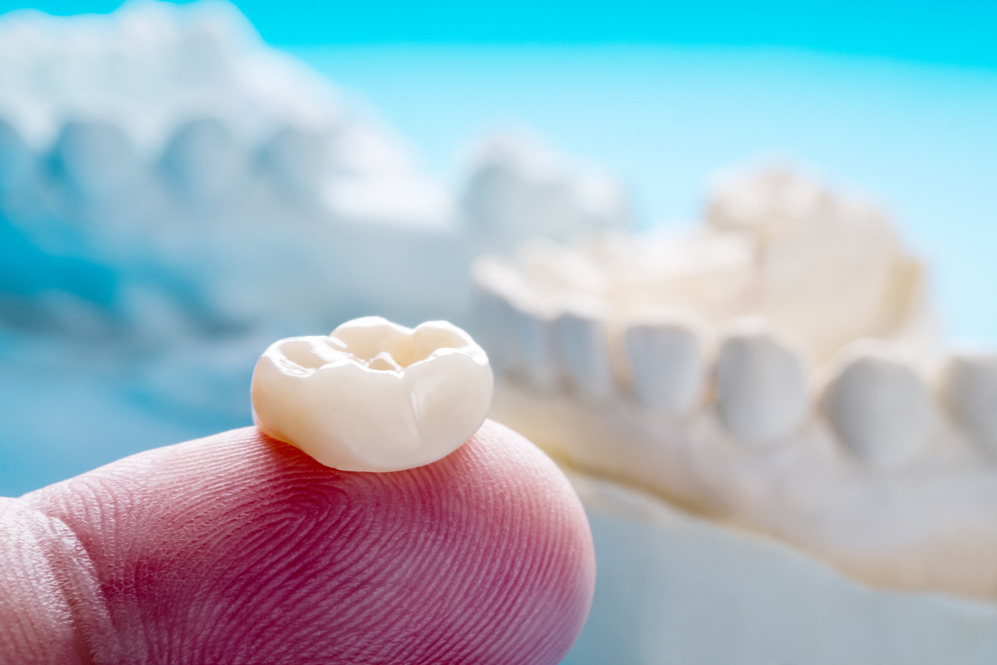
A dental crown — sometimes called a dental cap — is a restoration that fits over the visible part of a tooth. It can help restore the tooth’s shape, strength, function and appearance when the underlying tooth has been significantly weakened, damaged or heavily restored.
At Staina House Dental Practice in Garstang, crowns can be made from materials including porcelain, metal or a combination of materials depending on the position of the tooth and your individual needs.
When Might You Need a Dental Crown?
A crown is usually considered when there is not enough healthy tooth structure for a straightforward filling to provide a reliable long-term repair.
Your dentist may recommend one for:
- A badly broken or cracked tooth
- A tooth weakened by a large filling
- A tooth that has undergone root canal treatment
- Significant tooth wear
- Improving the shape or appearance of a damaged tooth
- Supporting a dental bridge
- Restoring a dental implant
Crowns are designed to cover and protect the remaining natural tooth while allowing you to continue biting and chewing normally.
That does not mean every damaged tooth automatically needs a crown. A full examination is important because your dentist should consider the condition of the tooth, gums, bite and remaining tooth structure before recommending treatment.
What Are Dental Crowns Made From?
There are several types of crown.
Porcelain Crowns
Porcelain can provide a natural-looking result, making it particularly suitable for visible teeth.
The shade can be selected to blend with the surrounding teeth.
Metal or Metal-Based Crowns
Metal is strong and durable and may be used where strength is particularly important.
Some crowns combine a metal substructure with a tooth-coloured outer layer.
Other Tooth-Coloured Materials
Modern dentistry also offers different ceramic materials that can provide a balance of appearance and strength.
The most appropriate option depends on where the tooth is located, how heavily you bite on it and what appearance you are trying to achieve.
Staina House discusses the available dental crown options individually rather than using one material for every patient.
How Is a Dental Crown Fitted?
The dental crown procedure usually takes place over two appointments.
First Appointment
The dentist prepares the tooth by carefully shaping it so the crown can fit over it correctly.
An impression or mould is then taken and sent to a dental laboratory, where the final crown is made to fit your tooth.
Staina House advises that its laboratory-made crowns typically take around two to three weeks to produce.
While you wait, a temporary crown is placed over the prepared tooth to protect it.
Second Appointment
Once the permanent crown is ready, the temporary crown is removed.
The dentist checks the fit, bite, shape and appearance before fixing the new crown securely in place.
This final appointment completes the restoration.
Does Having a Crown Hurt?
The tooth is normally numbed with local anaesthetic while it is being prepared, so the aim is to keep the procedure comfortable.
It is normal for a prepared tooth or surrounding gum to feel slightly sensitive for a short period afterwards.
If you experience persistent pain, swelling or significant discomfort after treatment, contact your dentist rather than waiting for your next routine appointment.
How Long Do Dental Crowns Last?
There is no guaranteed lifespan for a crown.
An NHS restorative dentistry guide advises that a well-maintained crown can commonly last around 8–10 years, although many last longer and some may need replacing sooner.
Longevity depends on factors such as:
- Oral hygiene
- Gum health
- The underlying tooth
- Bite forces
- Teeth grinding or clenching
- Diet
- The crown material
- Regular dental examinations
A crown may eventually wear, chip, loosen or develop problems around the tooth underneath.
Regular dental examinations allow your dentist to monitor both the restoration and the natural tooth supporting it.
Dental Crown Aftercare
Good dental crown aftercare is very similar to looking after your natural teeth.
You should:
- Brush twice daily with fluoride toothpaste
- Clean carefully between the teeth
- Attend routine dental check-ups
- Maintain regular hygiene care
- Avoid using teeth to open packaging
- Tell your dentist if you clench or grind
- Seek advice if the crown begins to feel loose
It is especially important to clean around the margin where the crown meets the natural tooth because decay can still develop in the tooth underneath.
Staina House also advises good brushing, interdental cleaning and routine appointments to help crowns remain in good condition.
How Much Does a Dental Crown Cost in the UK?
The cost of a private dental crown varies according to the material used, the complexity of treatment and whether any other work is needed beforehand.
Staina House currently lists dental crowns from £982 on its private dental fees page.
That is a starting price rather than a universal fee.
For example, a tooth may also need a filling, root canal treatment or other restorative work before the crown can be fitted.
Your dentist should therefore assess the tooth first and provide an individual treatment plan and cost.
What If Your Crown Falls Out?
If your crown has fallen out, keep the crown if you can and contact your dentist.
Do not try to glue it back yourself using household adhesives.
A lost or loose crown may not always require a same-day emergency appointment if you are comfortable, but it still needs professional assessment because the exposed tooth can be vulnerable to sensitivity or further damage.
Staina House advises patients with loose or lost restorations to contact the practice for advice, with emergency appointments available where pain or other urgent symptoms are present.
If you develop severe pain, swelling or other signs of infection, seek dental care promptly.
Frequently Asked Questions
How long do dental crowns last?
A well-maintained crown may commonly last around 8–10 years, although lifespan varies considerably. Good oral hygiene, routine dental care, bite forces and the condition of the underlying tooth all affect how long it lasts.
How is a dental crown fitted?
The tooth is first shaped and an impression is taken. A temporary crown protects the tooth while the permanent restoration is made by the dental laboratory. At a second appointment, the temporary crown is removed and the final crown is checked and fitted.
What should I do if my dental crown falls out?
Keep the crown if possible and contact your dentist. Avoid trying to glue it back yourself. If you also have severe pain, swelling or other urgent symptoms, tell the practice so they can advise how quickly you need to be seen.
Considering a Dental Crown in Garstang?
A dental crown can be a useful way of restoring and protecting a tooth when a filling alone is no longer suitable.
The right treatment depends on how much healthy tooth remains, the position of the tooth and what has caused the damage.
Staina House Dental Practice provides dental crowns in Garstang and Lancashire alongside root canal treatment, bridges, implants and wider restorative dental care.
The practice is also currently welcoming new patients.
To arrange an assessment, contact Staina House Dental Practice or call 01995 605707.
