

What is the fastest way to get rid of a gum infection?
Gum disease is one of the most common oral health issues, and it can start subtly – perhaps with bleeding gums or tenderness – but left untreated, it can progress to tooth loss. Understandably, many people search online for ‘how to cure gum disease without a dentist’ because of treatment costs, dental anxiety or lack of time.
The truth is, while some home care techniques can help manage early gum problems, professional treatment is often necessary for lasting results. In this article, we’ll explore what really works in treating gum disease, practical steps you can take at home, and why visiting our practice is key to protecting your smile.
Understanding gum disease and why treatment matters
Gum disease, also called periodontal disease, is a common condition affecting the tissues surrounding your teeth. It begins when plaque, a sticky layer of bacteria, builds up along the gumline. Over time, this plaque hardens into tartar, leading to inflammation, redness, bleeding and discomfort.
If left untreated, gum disease can progress to advanced stages, causing tooth loss and potentially contributing to serious health issues like heart disease or diabetes. If you find yourself Googling, “What is the fastest way to get rid of a gum infection?”, home care can help with early-stage gingivitis, but professional treatment is necessary to address advanced disease effectively. Early intervention is key. Recognising gum disease and taking action promptly can prevent further complications and make treatment more straightforward.
Common signs of gum disease include:
- Bleeding gums while brushing or flossing
- Swollen, red, or tender gums
- Persistent bad breath
- Receding gums
- Loose teeth (in advanced stages)
Can you really cure gum disease at home?
For mild gum problems like early gingivitis, home care can be effective. Brushing correctly, flossing, and maintaining good oral habits can reduce inflammation and sometimes reverse early gum disease.
However, once tartar forms below the gumline or the disease progresses to periodontitis, home care alone will not cure it. Professional dental hygiene treatment and monitoring are required to remove hardened plaque and prevent long-term damage.
So, if you’re asking, “Can gum disease be cured at home?”, the answer is: partially, but only in the earliest stages. For moderate to advanced gum disease, you will need routine dental check-ups and cleanings.
How to support gum health at home
There are practical steps you can take at home to support your gums and possibly reverse early gingivitis. Here’s what works:
Improve your brushing technique
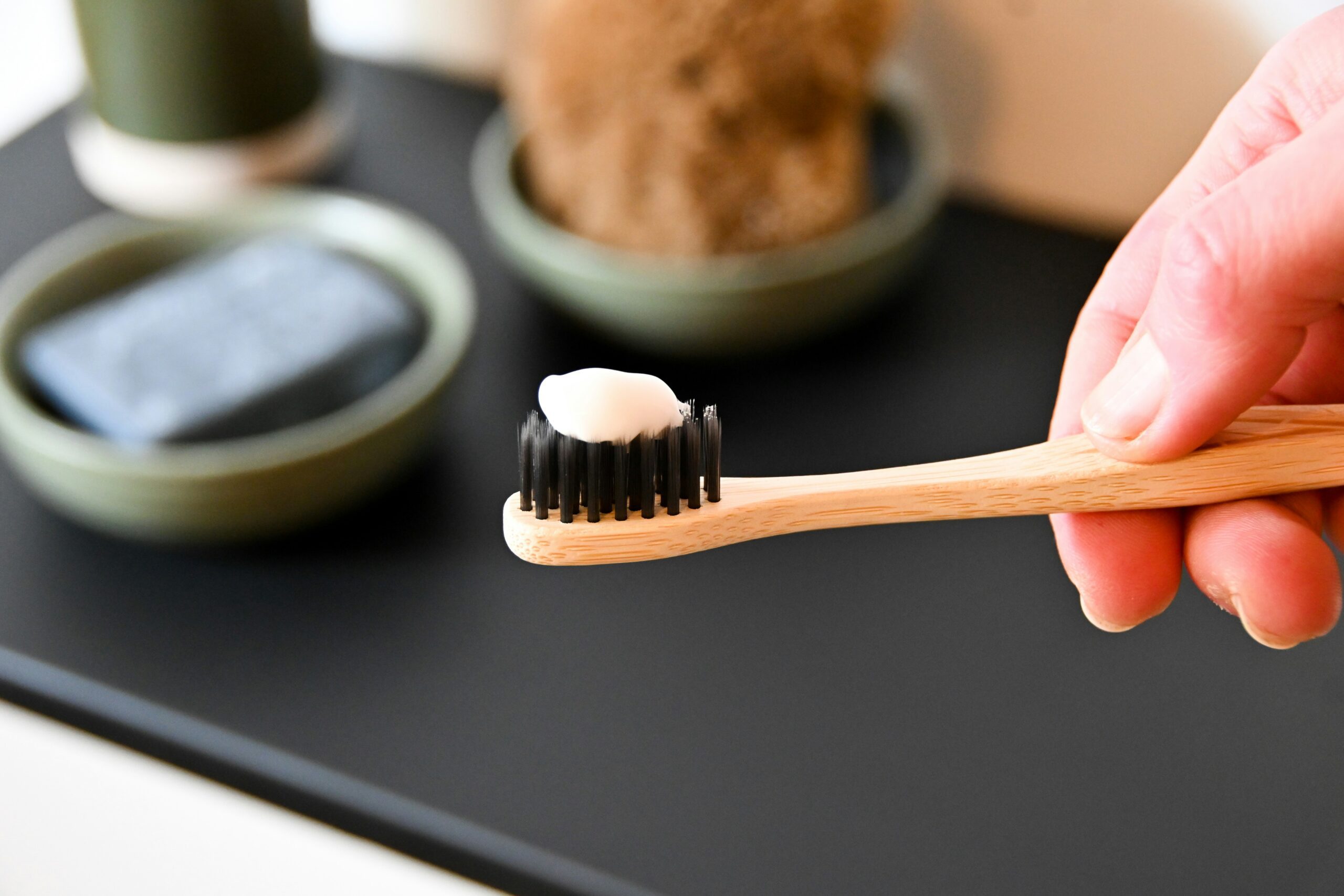
Are you brushing correctly? Use a soft-bristled toothbrush and brush for two minutes, twice a day. Hold your brush at a 45-degree angle to the gumline and use gentle circular motions. Avoid aggressive scrubbing, which can damage gums.
Electric toothbrushes, especially those with timers and pressure sensors, can be particularly effective in controlling plaque and protecting your gums.
Floss daily
Cleaning between your teeth is just as important as brushing. Flossing removes plaque where toothbrushes can’t reach. If flossing feels tricky, try interdental brushes or water flossers – they’re great for controlling gum inflammation.
Antibacterial mouthwash
Mouthwash with antibacterial properties can help reduce harmful bacteria in your mouth. Ingredients such as chlorhexidine or essential oils are effective, while alcohol-based rinses may irritate sensitive gums. Using mouthwash as part of your daily routine supports healthy gums and reduces plaque buildup.
Natural remedies that may help
Some natural remedies may offer limited benefits for mild gum problems, but they should never replace professional care. Options include:
Saltwater rinses – Mix half a teaspoon of salt in a glass of warm water, swish for 30 seconds and spit. Helps reduce swelling and bacteria.
Oil pulling – Swishing coconut or sesame oil may reduce bacteria, though evidence is limited.
Green tea – Rich in antioxidants, regular consumption may reduce inflammation.
These remedies can complement daily oral hygiene but are not a cure for advanced gum disease.
Healthy lifestyle choices
Quit smoking – Smoking increases the risk of gum disease and slows healing.
Balanced diet – Fresh fruits, vegetables, lean proteins and whole grains support immune function and oral health. Avoid excess sugar.
Stay hydrated – Water helps wash away food debris and bacteria.
What home care can’t do
If gum disease has progressed to periodontitis, home care alone cannot reverse it. Once tartar forms below the gumline, it must be removed professionally. Deep gum pockets may require specialist treatment.
At Staina House Dental Practice, we carefully assess your gums at each visit to catch any issues before they become serious.
When to see a dentist
Even if you’re following an at-home routine, it’s important to seek professional care if you notice:
- Regular bleeding gums
- Gum recession
- Persistent bad breath
- Loose or sensitive teeth
- Painful or swollen gums
Booking an appointment allows us to properly assess your oral health and provide treatment tailored to your needs.
Take action for a healthy smile
If you’ve been searching “can gum disease be cured at home?”, it’s important to combine that at-home care with professional support.
At Staina House Dental Practice, our experienced team can help reverse early gum issues, prevent disease progression, and maintain healthy gums for life. Early intervention is always more effective – and far easier than treating advanced gum disease.
Don’t wait for minor gum problems to become serious. Book a Gum Health Assessment today.
